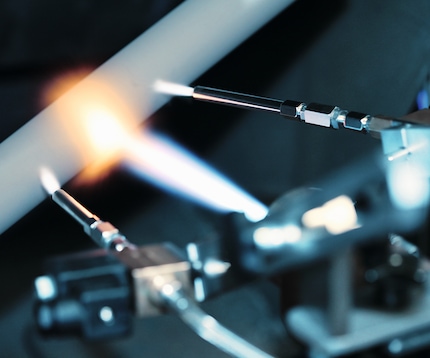
CO2 Cooling for Thermal Spraying

Many industrial and manufacturing processes require rapid cooling and freezing capabilities. Liquid nitrogen (LIN) and liquid carbon dioxide (LIC) are extremely effective cooling agents due to the low boiling point of LIN (-196°C) and the low sublimation point of LIC (-78.5°C). Liquid carbon dioxide (CO2) converts to solid carbon dioxide snow at -79°C (-109°F). In combination with snow horns or specially designed nozzles, this CO2 snow, also known as dry ice, is a flexible, easy-to-use cooling medium.
In addition, nitrogen (N2) gas and CO2 gas are environmentally sound alternatives to conventional cooling processes, which often involve potentially harmful refrigerants, large quantities of water or dust, fumes and a heavy power drain. Because they are inert, these gases also eliminate the risk of fire or explosion.

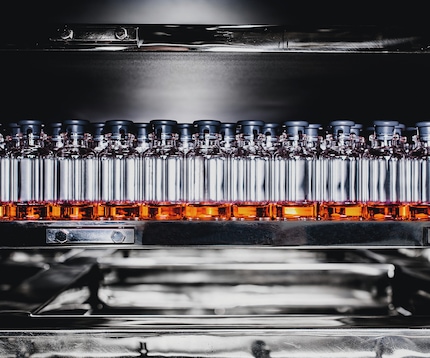
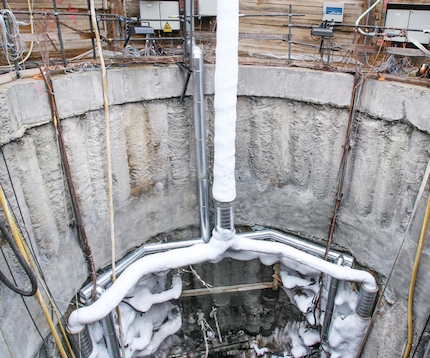
LIN and LIC are commonly used to increase productivity and enhance quality in the construction industry. Typical applications include concrete mixing/cooling, asphalt paving, ground freezing and pipeline isolation. In plastics, cryogens are used for inner cooling and mold spot cooling of gas injection molds, rubber hose production, plastic film blowing and tire curing. The benefits of LIN in extrusion plants include higher production rates, improved surface finish and increased die lifetime. In the pharma and biotech industries, cryogenic cooling solutions improve temperature control over fluids in reactors, crystallizers, lyophilizers (freeze-dryers), extraction vessels and other process equipment. Looking towards space, liquid nitrogen subcooling can enhance oxidizer loading for greater operational efficiency and lower propellant losses. The many use cases in metal fabrication include welding, griding, machining and subzero treatments, including CO2 cooling during thermal spraying. Further applications include glass production and metals, where dross cooling with the inert gas argon eliminates fumes and dust while increasing recovery rates in the manufacture of aluminum, for example. Cryogenic condensation with LIN is also an effective way of purifying waste air and recovering valuable volatile organic compounds (VOC) in oil and gas, refining, chemicals and similar industries.

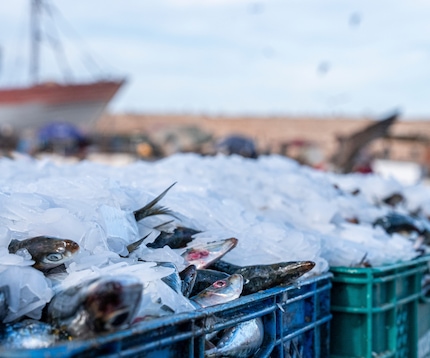
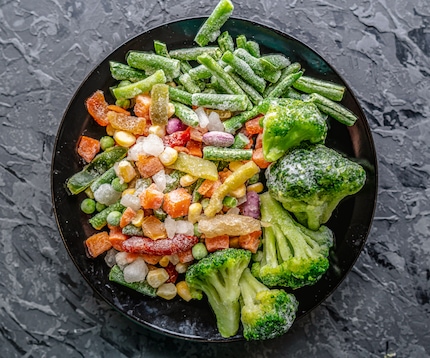
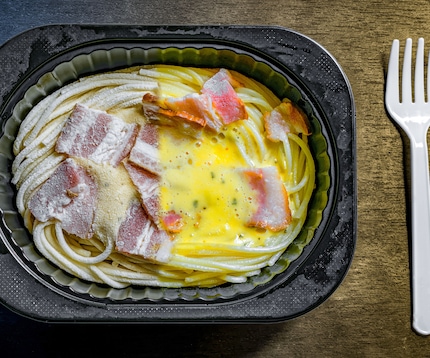
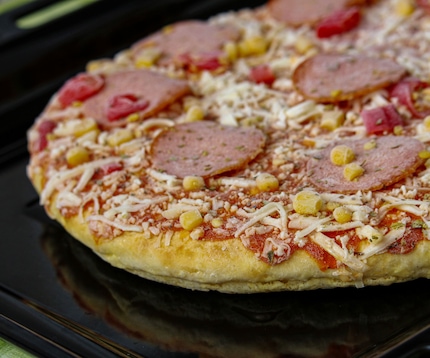
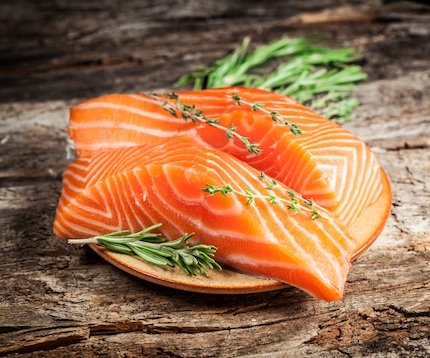
Cryogenic solutions also play an invaluable role in protecting food security and extending food value chains. Precise temperature control is essential for the production, distribution and storage of many different foodstuffs, especially in the case of produce that is prone to rapid spoilage, biochemical deterioration or microbial contamination. LIN and LIC are gentle, effective ways of quickly lowering the temperature of food products to facilitate processing, preserve quality and enable safe storage. Dry ice (i.e. solid carbon dioxide) is a convenient cooling agent for smaller batches, whereas cryogenic, liquid gases are an eco-friendly, flexible and low-noise way of maintaining the precise temperature of entire trucks during transit.

Complementing our flexible supply models for cryogenic gases, we offer an extensive and flexible range of cryogenic cooling and freezing solutions to support different applications and food security needs. These extend from our ACCU-CHILL® cryogenic chilling innovations for the rapid cooling of sensitive foodstuffs through flexible in-transit solutions that leverage the cooling power of solid CO2 (dry ice) to a broad lineup of food freezers in all shapes and sizes. Our CRYOLINE® freezer portfolio spans tunnel, IQF, batch, capacity-boosting and crust-freezing models to suit different food types, textures and combinations. Our CRYOFLEX® freezer range is designed for the cryogenic treatment of heat-treated parts.

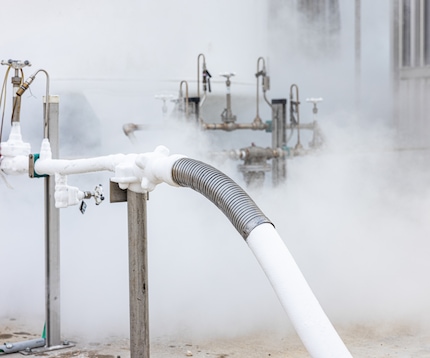
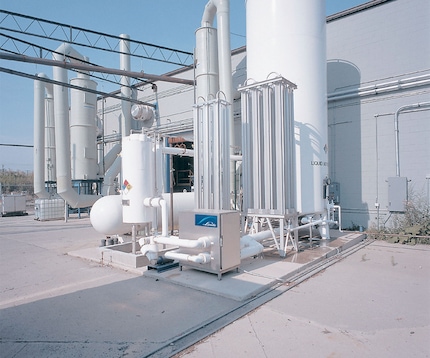
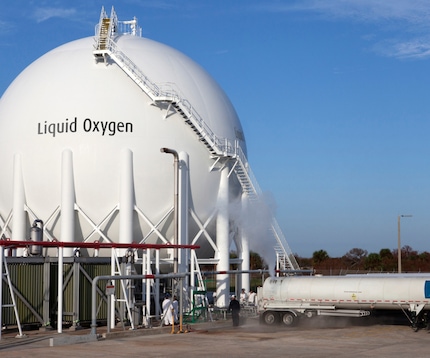
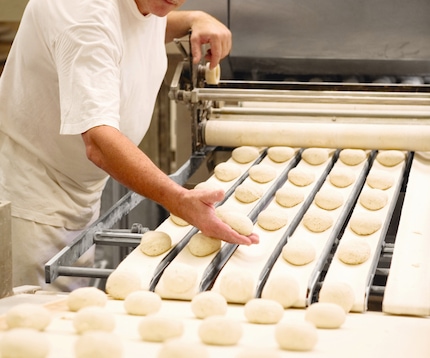





Our experts can advise on the cryogenic gases, delivery modes and equipment best suited to your temperature control needs - regardless of your industry