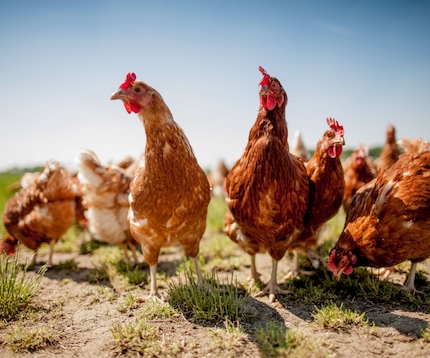
Controlled Atmosphere Stunning in Meat and Poultry Plants
Let us help you increase animal welfare and improve processing conditions in your meat or poultry plant

A controlled atmosphere means that the atmospheric air in a given environment is precisely regulated with a gas or gas mixture carefully selected to achieve desired outcomes and avoid unwanted reactions like oxidation. This often entails measuring and analyzing not only levels of gases such as oxygen (O2), carbon dioxide (CO2), and nitrogen (N2), but also temperature and humidity levels. Controlled atmospheres typically use inert gases such as argon (Ar) or N2 to displace O2 and CO2, but some applications include the addition of reactive gases to achieve a desired property in the product or substance being controlled.

Typical applications for controlled atmospheres include storage spaces for harvested fruit or other perishable goods, greenhouses, storage silos in bakeries or other food processing facilities, heat treatment furnaces in metal fabrication, biotech incubators and any other space or enclosure where a precise gas composition is required.
In greenhouses, a controlled atmosphere enriched with CO2 can accelerate plant growth. CO2 and other gases are used for pest control, enhanced ripening and controlled atmosphere stunning. In heat treatment furnaces, controlled atmospheres play a defining role in the quality, mechanical properties and surface finish of treated parts. Atmosphere measurement and control technology can sense oxygen and humidity levels in additive manufacturing print chambers and powder storage cabinets for improved printing outcomes and protection of valuable 3D powders. In the pharma and biotech industries, controlled inerting, purging, sparging and pressure transfer atmospheres are essential to protect chemicals in storage and regulate API reactions. In addition, special gas mixes are often required for biological growth control, for instance at the aerobic incubation stage.
In addition to the full range of inert gases and process gas mixtures for controlled atmospheres, we also offer end-to-end supply systems include special gas injection solutions plus atmosphere analysis and monitoring equipment.

Modified atmospheres are similar to controlled atmospheres, but they entail the one-time passive alteration of the gas composition within a sealed package containing the food or food mixture to be protected. This type of modified atmosphere packaging (MAP) is typically used in the food industry to inhibit the microbial and chemical/biochemical deterioration that destroys food. By combining food-grade gases with the right packaging materials and machines, MAP can thus maintain the quality of foodstuffs and extend their shelf-life - without altering the physical or chemical properties of the product and without adding artificial preservatives or unnatural ingredients. By extending shelf-life the natural way, MAP also simplifies distribution logistics.

We have developed an extensive portfolio of MAPAX® modified atmosphere solutions tailored to different food categories. These bespoke gas mixtures meet today's food preservation challenges by inhibiting the spoilage caused by aerobic and anaerobic organisms. Combining gases such as CO2, N2, O2, Ar, nitrous oxide (N2O) and hydrogen (H2) in carefully selected ratios, our MAPAX portfolio includes special blends for meat and poultry, fish and seafood, plant-based proteins, dairy produce, fruit and vegetables, dry foods, baked goods, as well as prepared and catered foods. CO2 is used to inhibit microorganisms by reducing the pH value and penetrating biological membranes, for instance, while N2 prevents oxidation and package collapse. In contrast, O2 is used to preserve meat's red color and allows fruit and vegetables to breathe.
Our MAPAX food science experts work closely with customers and suppliers of packaging materials and machines to recommend the most suitable MAP solution depending on the following factors:
We also offer complementary installation, test and safety services.
Let us help you increase animal welfare and improve processing conditions in your meat or poultry plant

Explore the many ways you can enhance growth and protect harvested fruit and vegetables with industrial gases
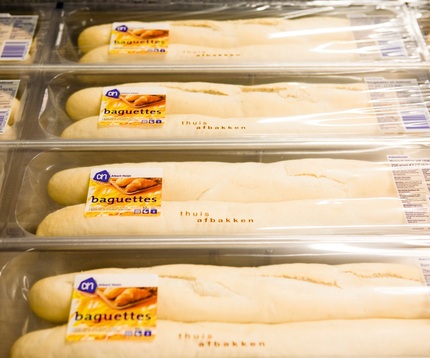
Team up with our food experts to develop the modified atmosphere mix best suited to extending the shelf life of your bakery and confectionery products

Enhance pH control and extend the shelf life of your individual dairy products with our tailored modified atmosphere packages
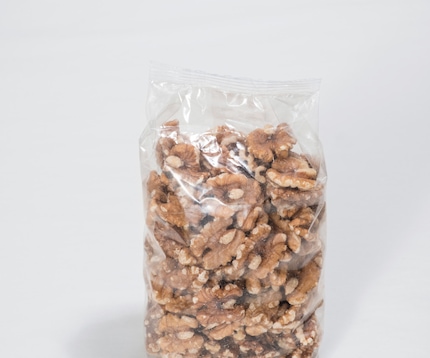
Replace oxygen in dried goods packaging with a modified atmosphere to inhibit oxidation and extend your shelf life
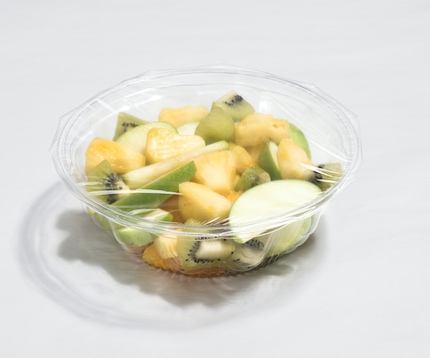
Select from a range of modified atmospheres tailored to the respiration rate and temperature of different fruit and vegetables
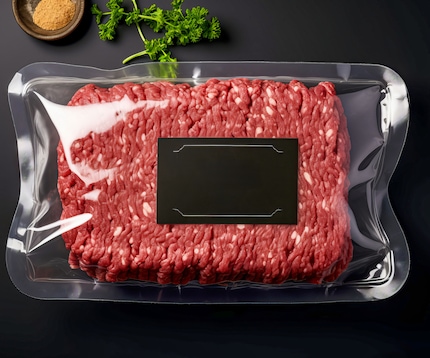
Find out how modified atmosphere packaging can extend the shelf life of meat and poultry without altering properties
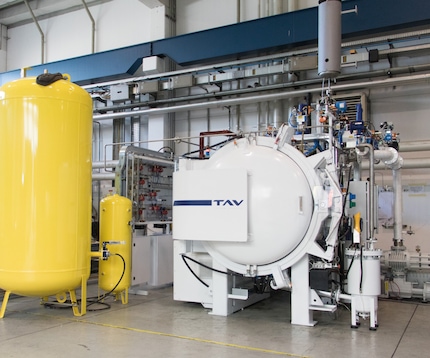
Ensure reliable vacuum furnace performance with high-purity gases and tailored supply solutions.